Aluminum Casting Foundry Guide: High-Performance Casting Solutions
Industry Trends in Aluminum Casting Services
The aluminum foundry service industry is undergoing notable transformation influenced by various factors. Production methods are being transformed by automation and advanced technologies. At the same time, sustainability programs are gaining momentum in response to environmental challenges. However, challenges such as raw material price volatility and labor shortages continue to pose risks. Comprehending these industry dynamics is crucial. What does the future hold as these trends continue to evolve?
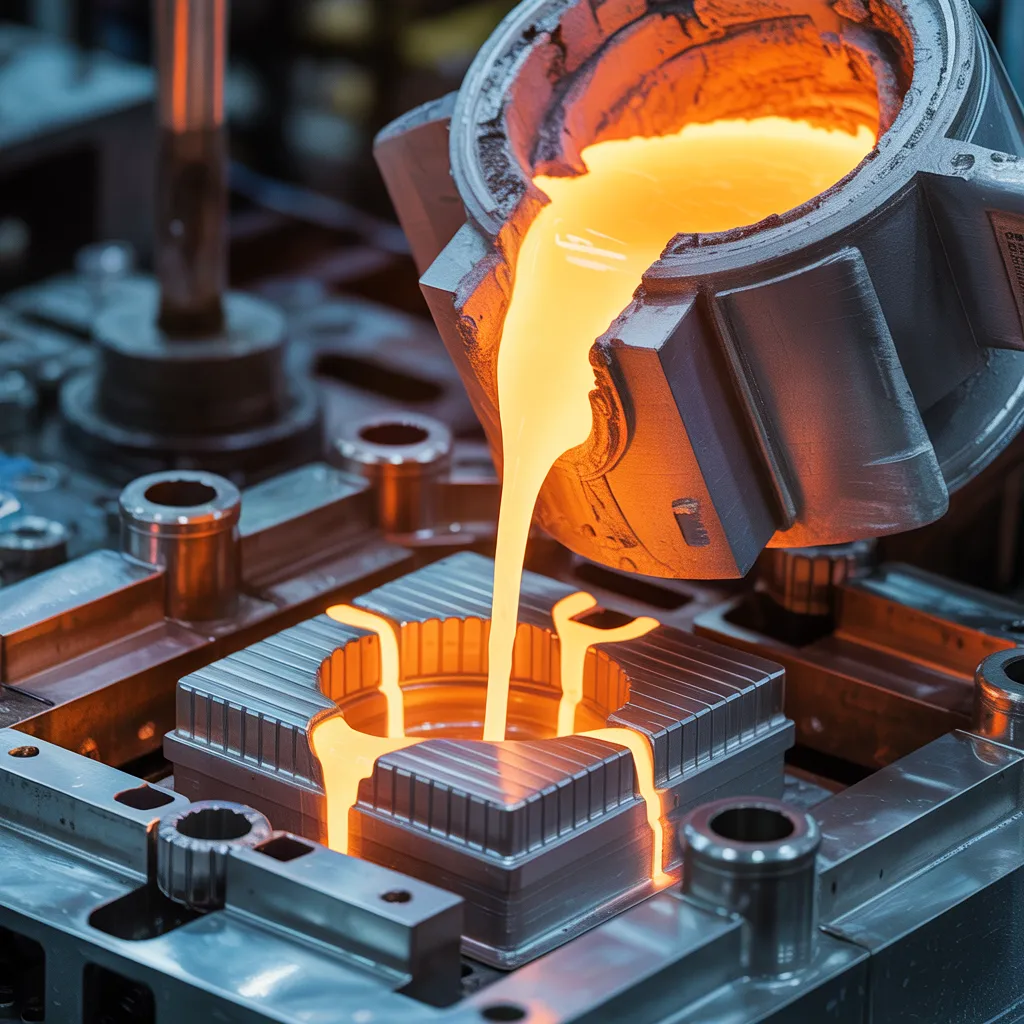
Advancing Automation in the Aluminum Foundry Industry
As industries pursue efficiency and precision, the rise of automation in aluminum foundry services has become increasingly apparent. This shift illustrates a broader trend towards integrating advanced technologies within manufacturing processes. Automated systems, such as robotics and artificial intelligence, are being utilized to enhance tasks like molding, pouring, and casting. By reducing manual labor, these technologies not only increase safety but also lower the potential for human error.
Additionally, automation provides real-time monitoring and data collection, allowing foundries to optimize performance. This technological development is motivated by the need for quicker production cycles and higher quality standards. As a result, several aluminum foundries are investing in automation to remain competitive in a rapidly evolving marketplace. The shift towards automated solutions indicates a commitment to innovation and adaptability, which are essential for meeting the escalating demands of diverse industries dependent on aluminum components.
How Automation Improves Production in Aluminum Foundries
In what ways does automation improve production efficiency within aluminum foundries? Automation streamlines various processes, markedly reducing manual labor and human error. Through the deployment of robotic systems for operations like molding, pouring, and finishing, foundries can attain greater accuracy and uniformity in their output. Such automated systems moreover provide real-time oversight, enabling immediate corrections and lowering downtime.
Additionally, automation increases safety by minimizing worker exposure to hazardous environments. This technology permits a more productive use of resources, maximizing energy consumption and raw material usage. With advanced data analytics, aluminum foundries can anticipate equipment failures and schedule maintenance proactively, further boosting productivity.
Latest Innovations in 3D Printing for Aluminum Foundries?
Current breakthroughs in 3D printing technology are modernizing aluminum foundries, offering innovative solutions for design and production. The integration of metal additive manufacturing permits foundries to manufacture complex geometries that were previously unreachable through traditional methods. This breakthrough provides lightweight, high-strength components, optimizing material usage and decreasing waste.
In addition, the velocity and flexibility of 3D printing improve prototyping capabilities, permitting fast iterations and shorter lead times. Foundries can now rapidly adjust designs according to real-time feedback, streamlining the development process.
Additionally, advancements in additive manufacturing materials, like aluminum alloys particularly engineered for additive manufacturing, are advancing the mechanical properties of printed parts. These advancements are paving the way for aluminum foundries to discover new applications, including aerospace, automotive, and specialized industrial components, eventually driving innovation across diverse sectors. As these technologies steadily evolve, they will redefine the landscape of aluminum foundry services.
Eco-Friendly Methods Changing Aluminum Foundries
Environmentally responsible methods are progressively transforming aluminum foundries, pushing the industry towards more sustainable operations. Many foundries are adopting recycling initiatives, where scrap aluminum is repurposed, significantly reducing consumption of energy and waste production associated with primary aluminum production. Moreover, advancements in energy-efficient melting technologies are being deployed, decreasing greenhouse gas emissions.
In addition, foundries are examining the use of renewable energy sources, such as solar and wind power, to additionally reduce their carbon footprint. Implementing closed-loop water systems has also gained traction, enhancing water conservation while maintaining operational efficiency.
Supply chain transparency is being prioritized, supporting the sourcing of materials from sustainable suppliers. These practices not only promote environmental stewardship but also meet the increasing consumer demand for sustainable products. As aluminum foundries incorporate these practices, they are not only advancing their operational sustainability but also presenting themselves as leaders read more in an increasingly eco-conscious market.
How Data Analytics Boosts Efficiency in Aluminum Foundries
Data analytics transforms operational efficiency in aluminum foundries by delivering practical intelligence that enhance workflows and minimize expenditures. By harnessing analytics from various stages of the production process, foundries can recognize performance gaps and optimize procedures. Advanced predictive tools play a crucial part in forecasting maintenance needs, thereby reducing unexpected interruptions and prolonging machinery life.
Furthermore, data analytics makes possible enhanced inventory management, allowing foundries to preserve ideal stock levels of raw materials, consequently reducing waste and associated costs. Real-time monitoring of production metrics supports quick decision-making, assisting managers adjust to changing conditions promptly.
Moreover, advanced data visualization tools support teams interpret complex data sets, making it simpler to recognize trends and execute improvements. Overall, the integration of data analytics cultivates a culture of continuous improvement, positioning aluminum foundries to satisfy the demands of an evolving market while enhancing productivity.
Advanced Alloys: Overcoming Difficulties in Present-Day Manufacturing
The development of advanced alloy formulations is vital for meeting the issues encountered in modern manufacturing. These advanced alloys offer enhanced mechanical properties that can boost product performance and longevity. As industries aim to maximize efficiency and minimize costs, the significance of these materials becomes ever more critical.
Next-Generation Metallic Combinations
As industrial sectors continuously seek materials that can endure extreme conditions while maintaining performance and cost-effectiveness, innovative alloy formulations have emerged as a critical solution. These formulations harness advanced metallurgical principles and modern processing techniques to develop aluminum alloys customized for specific applications. By incorporating elements such as lithium, magnesium, and silicon, manufacturers are able to strengthen the properties of aluminum, resulting in lighter, more durable products. These alloys address challenges created by high temperatures, corrosive environments, and mechanical stress, thus expanding the potential for use in sectors such as aerospace, automotive, and marine. The ongoing development of these innovative alloys not only advances sustainability goals through improved resource efficiency but also drives competitiveness in an evolving market landscape.
Improved Structural Characteristics
Though countless industries experience rising needs for materials blending durability with lightweight properties, advanced alloys have emerged as a pivotal solution to boost mechanical properties. These groundbreaking materials, frequently engineered with specific elemental compositions, provide improved tensile strength, fatigue resistance, and corrosion resistance. Industrial facilities are steadily adopting advanced aluminum alloys in applications spanning aerospace to automotive, where reliability and functionality are essential. The integration of alloying elements such as lithium and magnesium has led to significant advancements in weight reduction without undermining durability. Moreover, these alloys permit manufacturers to meet stringent industry standards while optimizing production processes. As a result, the adoption of advanced alloys continues to reshape the landscape of modern manufacturing, pushing efficiency and performance to exceptional levels.
Questions & Answers
Which Types of Aluminum Alloys Are Commonly Utilized in Foundry Services?
Frequently utilized aluminum alloys in foundry services include 356, 319, and A356, all offering unique properties. These alloys are valued for their superior casting characteristics and strength, making them well-suited for various applications in manufacturing.
How Would Aluminum Foundries Guarantee Quality Control During Production?
Aluminum foundries implement quality control through rigorous testing, including analysis of chemical properties and mechanical characteristics. They also comply with standardized processes, conduct systematic inspections, and leverage advanced technologies to monitor product integrity and manufacturing consistency.
What Are the Principal Challenges Facing Aluminum Foundries Today?
Modern aluminum foundries encounter challenges including rising raw material costs, stringent environmental regulations, labor shortages, technological advancements, and competition from alternative materials, all of which impact efficiency, profitability, and total operational sustainability.
How Do Foundries Manage Waste and Recycling of Aluminum?
Foundries oversee waste and recycling by deploying effective collection systems, leveraging advanced separation technologies, and encouraging the reuse of scrap aluminum. These practices help decrease environmental impact while optimizing resource recovery and operational efficiency.
What Are the Normal Lead Times for Aluminum Foundry Services?
Average lead times for aluminum foundry services extend from a few weeks to numerous months, determined by factors such as intricacy of the project, order volume, and the foundry's manufacturing capability and scheduling efficiency.